The Full Picture
Everything You Need to Know About Coffin Nail Designs
Coffin nails — also called ballerina nails, for their resemblance to the toe box of a pointe shoe — became mainstream in the early 2010s. The shape existed before then, but it was social media that elevated it from niche to cultural phenomenon. Influencers and celebrities began appearing with extra-long, dramatically tapered flat-tipped nails, and within 18 months coffin nails went from specialty to the most-requested shape at salons across the United States, United Kingdom, and Australia. They've maintained that status for over a decade, surviving multiple "nail trends come and go" cycles by virtue of being genuinely flattering on a wide range of hand shapes.
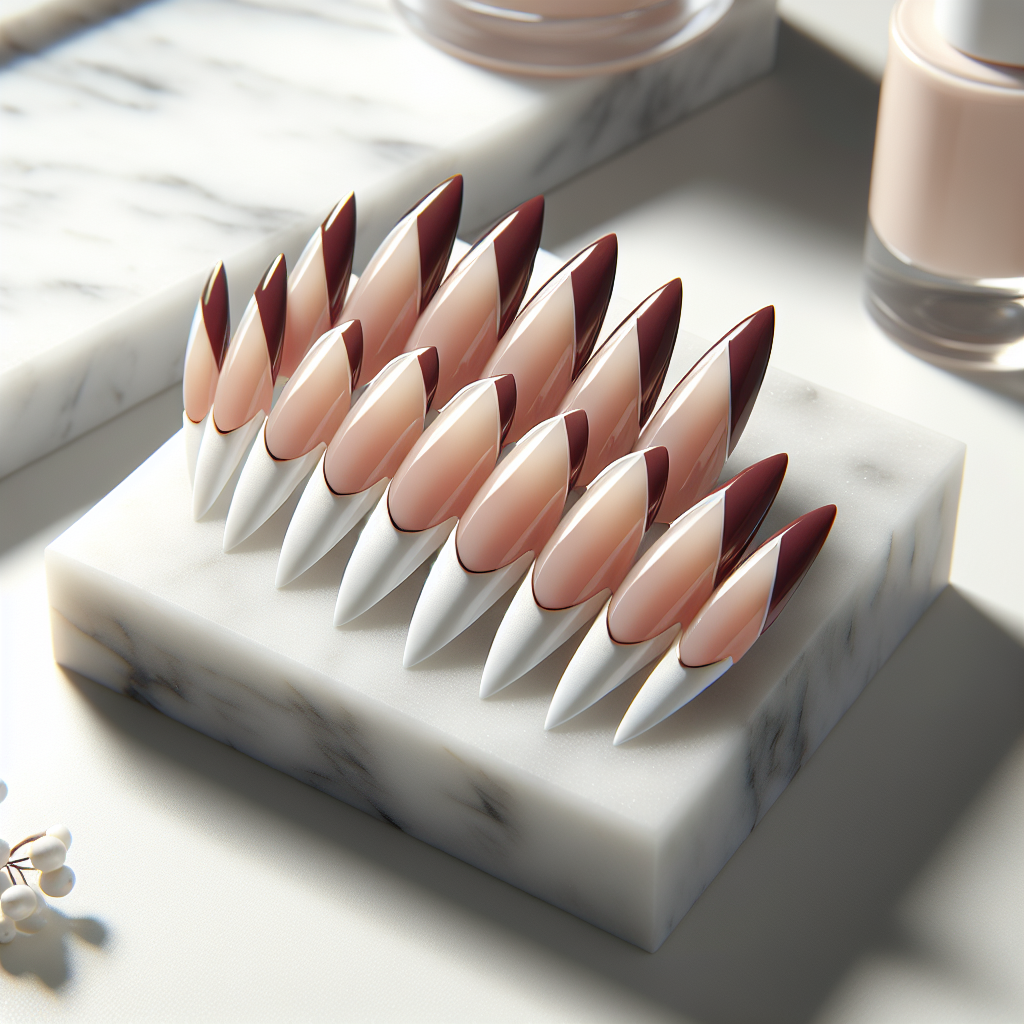
The geometry of the coffin shape is what makes it so visually striking. Long, tapered sides create an elongating effect on the finger — the narrowing draws the eye upward and makes fingers appear slimmer and longer than they are. The flat tip terminates the taper with a graphic, deliberate edge that gives the shape its modern character. Unlike stiletto (pointed) nails, which require maintenance every 2 weeks and are prone to snagging, coffin nails have a functional flat tip that handles daily life with fewer catches and breaks. The shape requires length to work — short coffin nails read as square — which means most wearers use acrylic or hard gel to achieve the full effect.
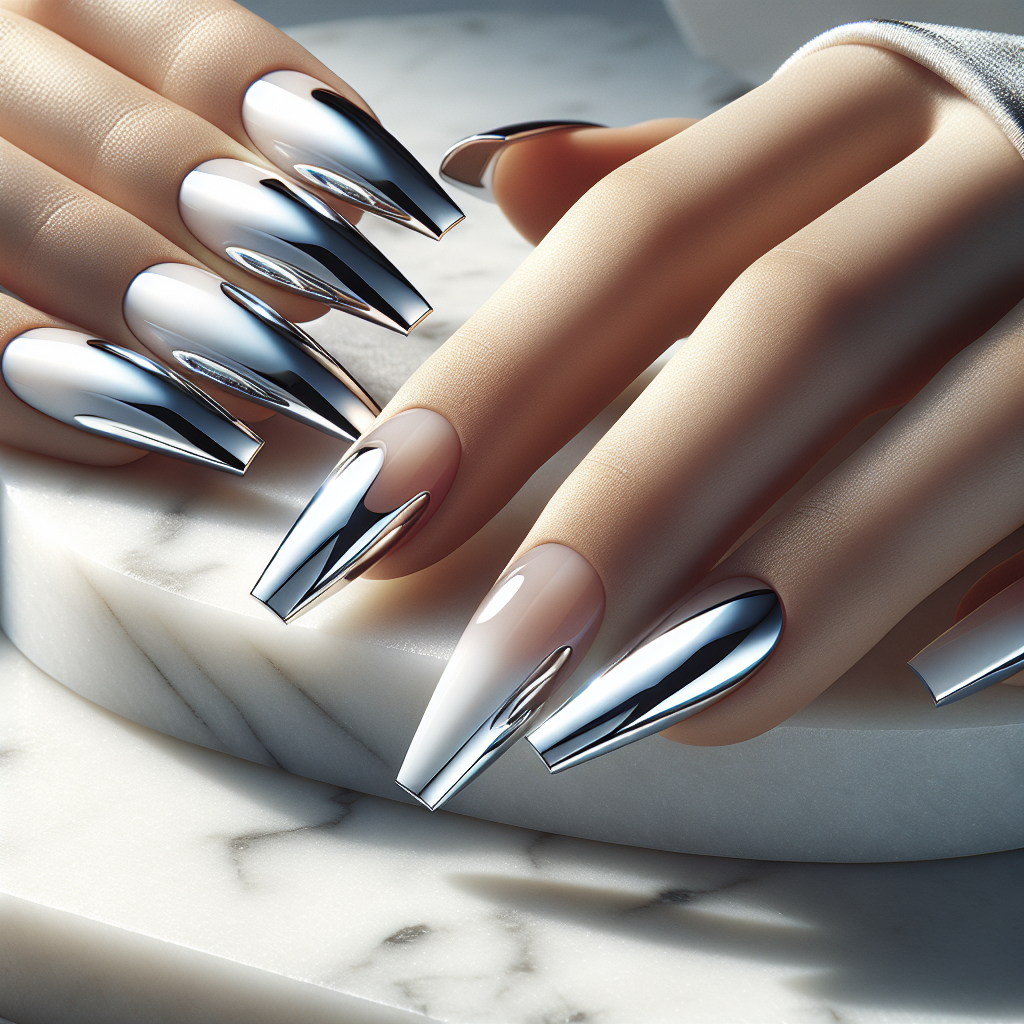
The design possibilities on coffin nails are among the most expansive of any nail shape. The long, wide nail plate accommodates designs that simply don't fit on shorter nails: gradient ombré from base to tip, intricate hand-painted art across all five nails, chrome powders that catch light from every angle, and 3D gel art that would be crowded on a shorter surface. The flat tip creates a clean visual edge that makes French tip designs look particularly sharp — the white or colored tip sits flush and precise in a way that feels architectural. Coffin nails are statement nails. They communicate intentionality.
In 2026, coffin nail trends have evolved toward quieter luxury. The maximalist era of waist-length nails in every color has given way to well-crafted sets at 2–3cm: rich cremes in dusty mauve, chocolate, and nude taupe; chrome French with the barest hint of color; and detailed nail art on one or two accent nails against a clean solid. The shape still makes a statement — it just makes a more precise one.
Step by Step
How to Shape Coffin Nails
- Start with a full acrylic or hard gel set sculpted to extra length — at least 5–7mm of free edge beyond the fingertip is required for the taper to read correctly.
- Using a coarse nail file (80–100 grit), file the sides of each nail inward at a roughly 45° angle toward the center of the nail.
- Work gradually — file a few strokes, then check symmetry. The taper should be even on both sides of each nail.
- Stop filing when the nail is approximately 1.5–2mm wide at the tip, creating the characteristic narrow coffin silhouette.
- File the very tip completely flat and straight across — this is the signature coffin finish. Eliminate any curved or pointed remnant.
- Hold your hand flat and check all nails side by side — adjust any asymmetrical nails before finishing.
- Buff to 220-grit smoothness to remove all file scratches.
- Dust off and apply gel dehydrator.
- Apply gel base coat and cure 30 seconds, then apply your chosen color or nail art in 1–2 thin coats, curing between each.
- Apply gel top coat, cure 60 seconds, and wipe the inhibition layer for a high-gloss finish.
Common Questions
Frequently Asked Questions About Coffin Nail Designs
How long do coffin nails need to be?
The coffin shape requires at least 5–7mm of free edge beyond the fingertip for the taper to be visible. Most professional coffin sets use nail tips or acrylic sculpting to add 1–2cm of length. Natural coffin nails are possible on people with fast-growing, strong nails — but most people need a nail enhancement to achieve and maintain the shape.
Are coffin nails easy to break?
The flat tip is more structurally sound than stiletto (pointed) nails. The most vulnerable point is the narrow side walls at the taper. Coffin nails break most often by catching the side edge on a hard surface. Fresh acrylic or hard gel every 3 weeks maintains the structural integrity that prevents stress fractures at the taper.
What designs look best on coffin nails?
Gradient ombré (nude-to-pink, nude-to-chrome, or two contrasting shades), solid French with chrome or colored tips, and full-set chrome are coffin nail signatures. For nail art, the accent nail technique — detailed art on the ring finger, solid color on the others — is particularly striking on coffin shapes because the length gives the accent nail maximum impact.
How long does a coffin nail set take?
A full acrylic coffin set takes 2–3 hours at a salon. Hard gel sets using nail tips take 1.5–2.5 hours. Fills take 45–90 minutes depending on the complexity of the nail art. Budget the longer end if you're getting a detailed design.
Can coffin nails be done on natural nails?
Yes, if your natural nails grow long enough and are strong enough to hold the shape. Natural coffin nails are uncommon — most people's nails are too thin or flexible at length to maintain the flat-tip taper without enhancement. A nail hardener used consistently can help natural nails reach coffin-appropriate length over 6–8 weeks of growth.
Keep Them Perfect
Maintenance Tips for Coffin Nail Designs
Coffin nails catch on fabrics, bag zippers, and upholstery more than shorter shapes — the flat tip is the main culprit. Shift your grip habits: use the pads of your fingers for opening cans, lifting, and tasks where you'd normally use the nail tip. This single habit adjustment extends most coffin sets' life by at least a week. Schedule fills every 2.5–3 weeks without exception. As natural nails grow, the narrow taper creates increasing mechanical stress on the acrylic — proactive fills before a gap is visible maintain the shape's structural balance. Between appointments, apply cuticle oil daily and wear gloves for cleaning, gardening, and any prolonged water exposure. The longer the nail, the more surface area exposed to the moisture that breaks down adhesion.