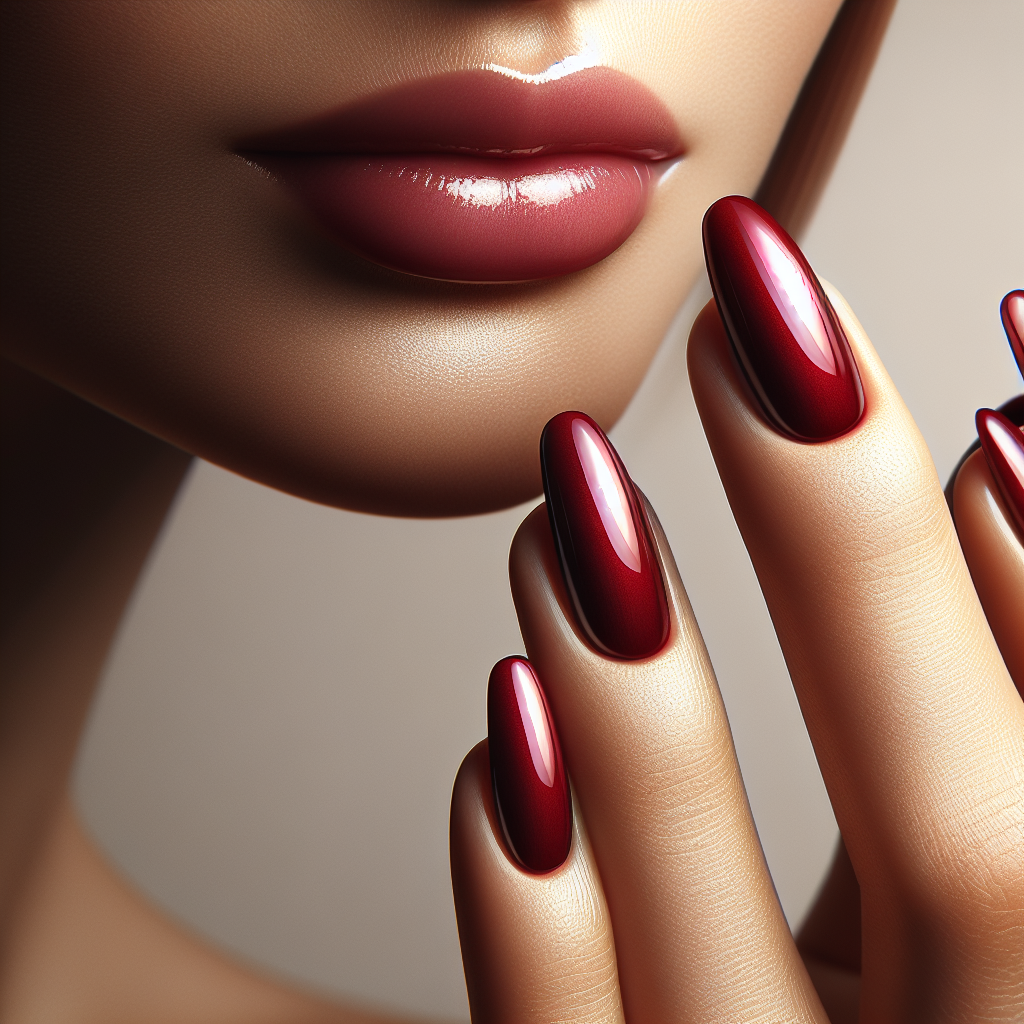
The Full Picture
Everything You Need to Know About Gel Nails
Gel nails were first developed in the 1980s — Shiseido filed early patents for UV-cured nail products in 1981, though the technology was limited to hard builder gel until the early 2000s. The real turning point came when CND introduced Shellac and OPI launched Gel Color, both "soak-off" gel systems that eliminated the drilling and soaking required to remove hard gel. Suddenly, gel manicures could be booked and removed in a normal salon visit. By 2010, gel polish had become the most requested nail service in the United States, and it has held that position every year since.
The reason gel nails outperform regular polish comes down to chemistry. Gel polish contains photoinitiators — compounds that react to UV or LED light wavelengths, triggering a polymerization chain reaction that hardens the gel into a durable, flexible film bonded to the nail. The result resists chips for 2–3 weeks under normal wear conditions, compared to the 3–5 days typical of regular lacquer. Modern LED lamps cure gel in 30–60 seconds per coat, making the full process faster than waiting for regular polish to air-dry.
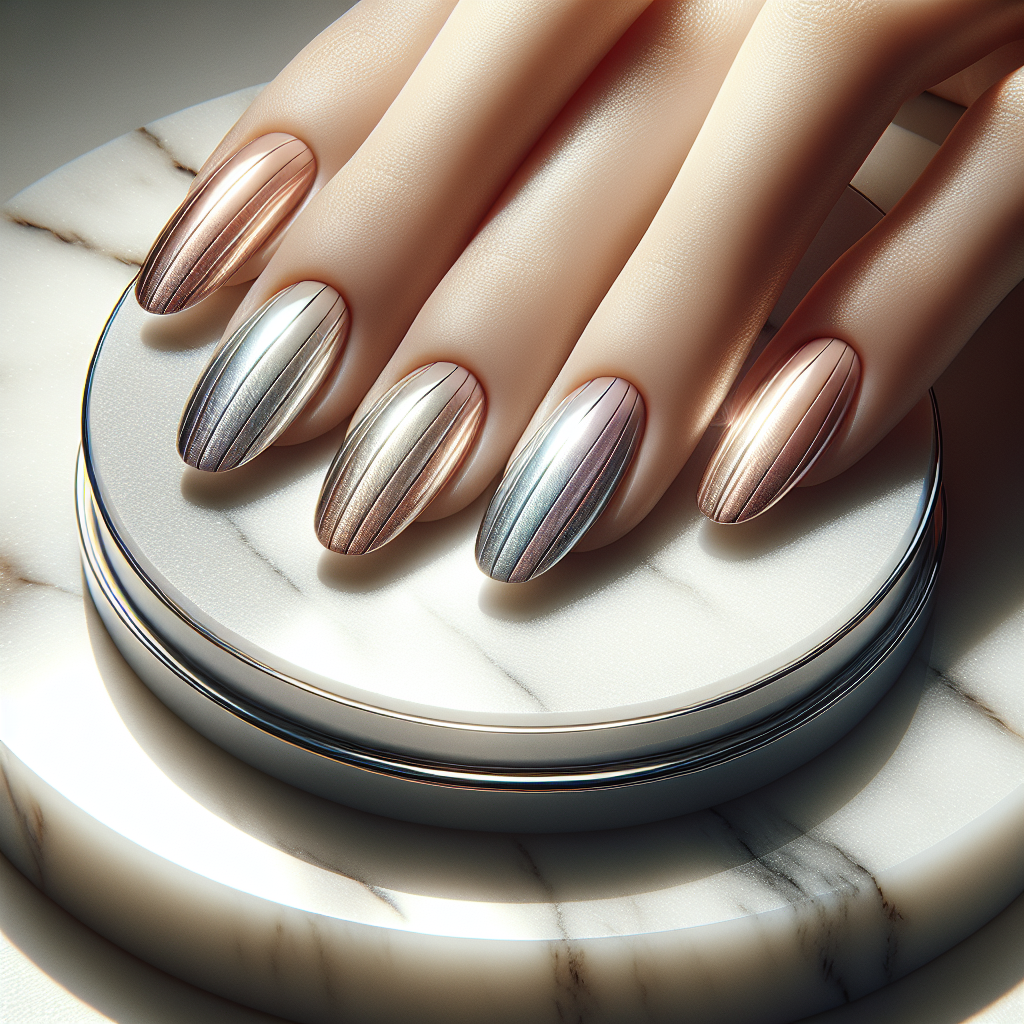
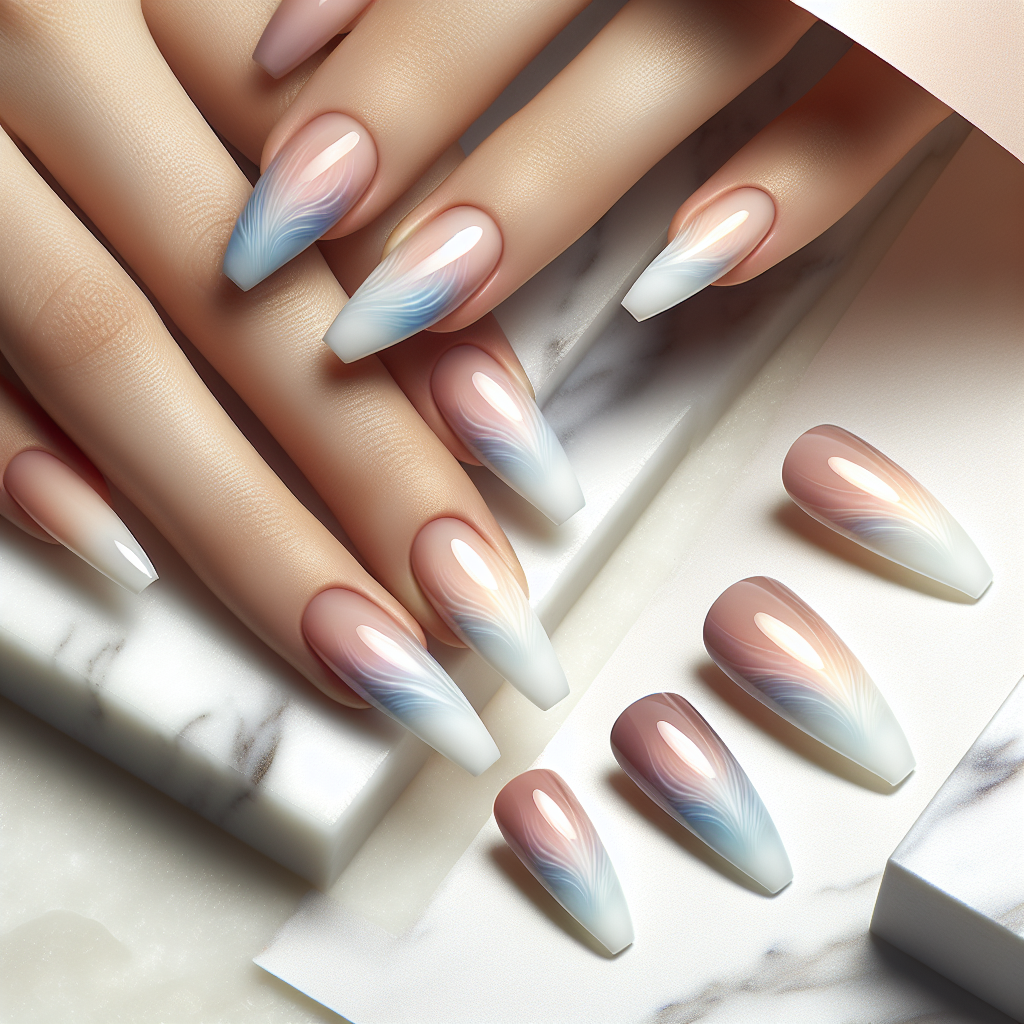
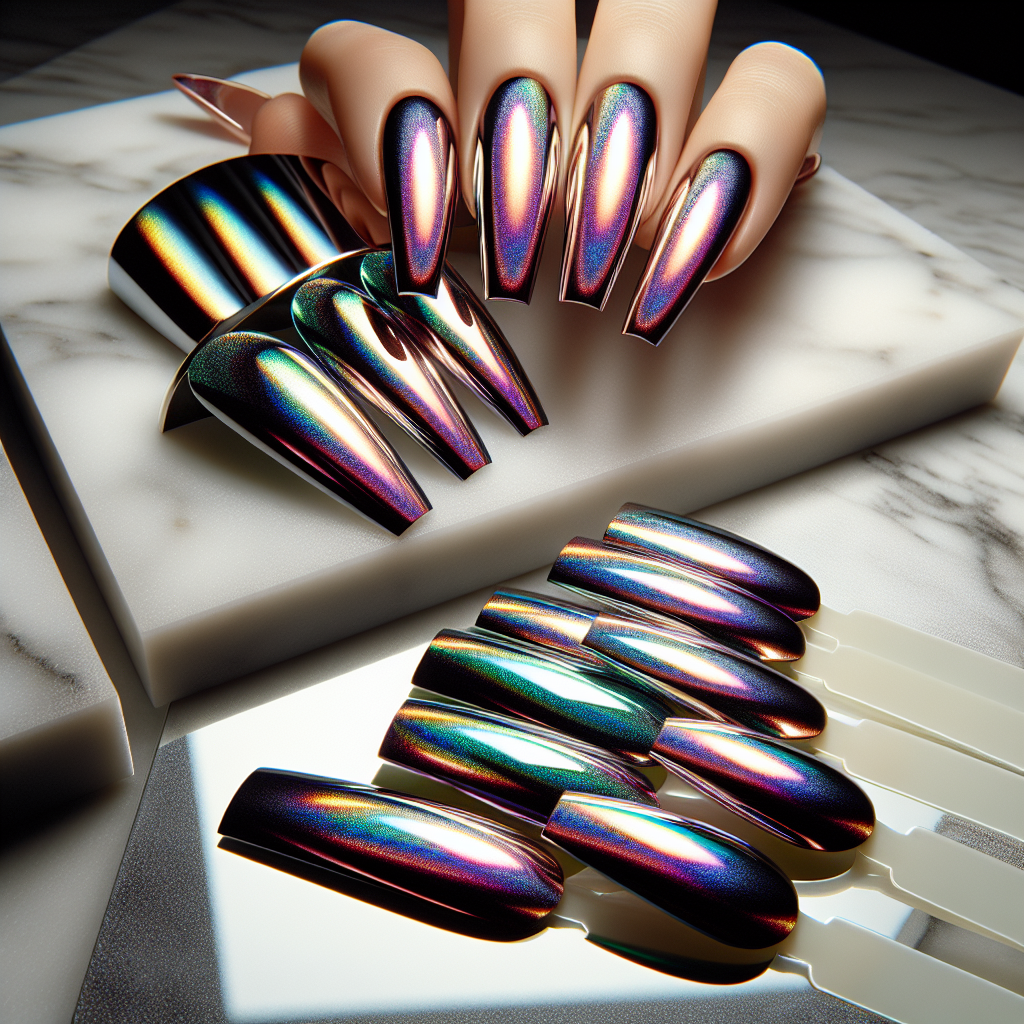
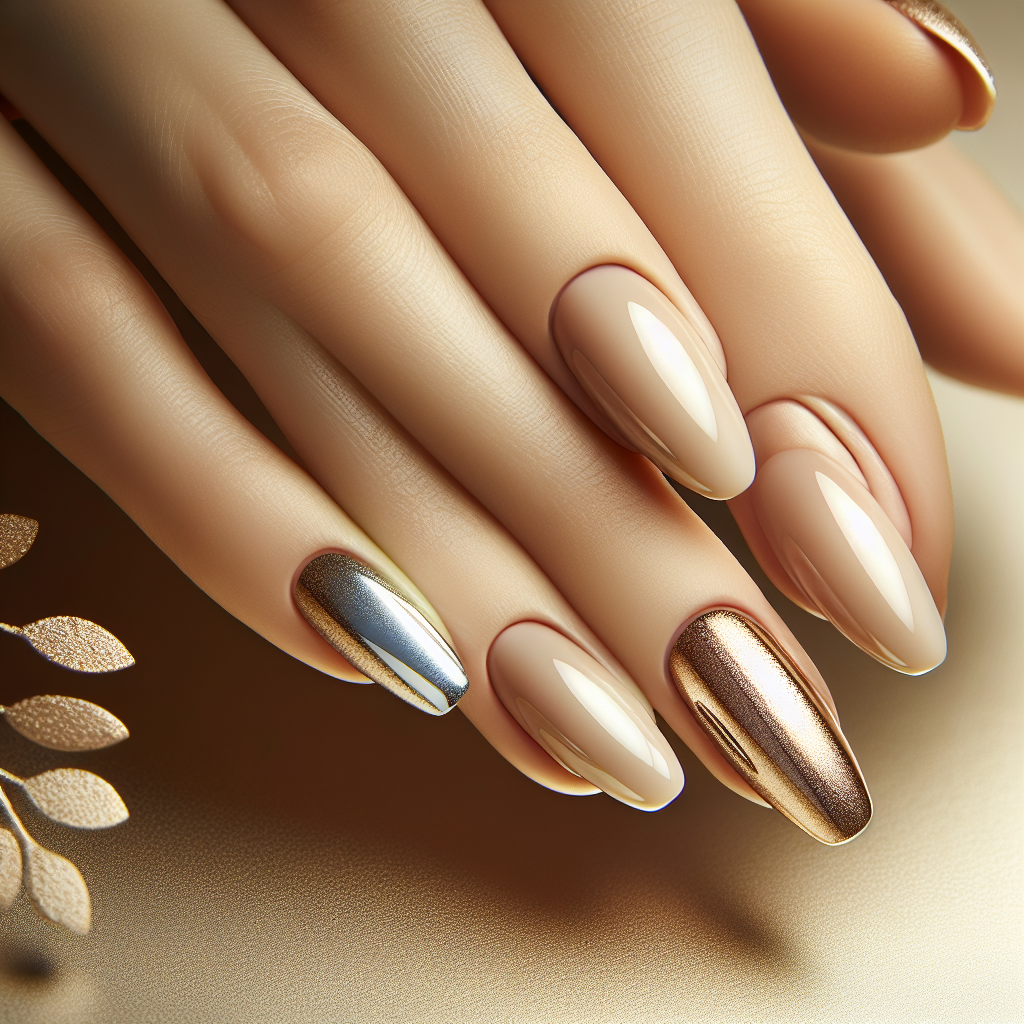
The color and finish options in gel have expanded dramatically since the early Shellac era. Cream, shimmer, glitter, chrome powder, cat eye (magnetic), thermal (color-shifting with temperature), holographic, and jelly (translucent) finishes are all available in gel formula. Gel also works as a carrier for nail art — you can apply stamping, foil, chrome powder, and hand-painted designs on top of cured gel and seal them with a gel top coat for a result that lasts as long as the manicure itself.
Gel nails suit almost every lifestyle. They're especially popular with people who struggle to keep regular polish chip-free: healthcare workers, teachers, athletes, parents, and anyone who works with their hands. The 2–3 week wear window aligns with most people's natural nail growth cycle — by the time the gel looks grown out, it's time for a fresh set anyway. And with at-home gel kits from brands like Beetles, Modelones, and Makartt available for under $40, gel manicures are no longer exclusively a salon service.
Step by Step
How to Apply Gel Nails at Home
- Prep nails: push back cuticles, lightly buff the nail plate with a 180-grit file to remove shine, clean off all dust and oil with gel cleanser or isopropyl alcohol.
- Apply a thin, even layer of gel base coat; float it onto the nail without pressing hard — avoid touching the cuticle or surrounding skin.
- Cure under your LED lamp for 30–60 seconds (follow your specific brand's cure time — overtcuring can cause shrinkage).
- Apply the first thin coat of color gel; cap the free edge by dragging the brush across the very tip of the nail.
- Cure for 30–60 seconds.
- Apply the second thin coat of color gel; cap the free edge again.
- Cure for 30–60 seconds.
- Apply a thin, even layer of gel top coat; cap the free edge.
- Cure for 60 seconds.
- Wipe the sticky inhibition layer off each nail with a lint-free wipe dampened with isopropyl alcohol — nails should be immediately glossy.
- Apply cuticle oil and massage into the cuticle and surrounding skin.
Common Questions
Frequently Asked Questions About Gel Nails
How long do gel nails last?
Properly applied gel nails last 2–3 weeks without chipping on most people. Prep quality is the biggest variable — skipping cuticle removal or nail dehydration causes early lifting. Capping the free edge (dragging product across the nail tip) is the second most important factor: uncapped edges peel from the tip inward within days.
How do I remove gel nails without damage?
Soak-off removal: lightly buff the shine off the top coat, soak a cotton pad in 100% acetone, place it on each nail, wrap in foil, and wait 15 minutes. The gel will slide off in sheets without any scraping needed. Never peel or force gel off — peeling physically removes layers of the natural nail plate and causes thinning and sensitivity.
Is gel bad for your nails?
Gel polish itself is not harmful to nails when applied and removed correctly. The two sources of damage are improper removal (peeling instead of soaking) and UV exposure from the curing lamp. If UV exposure is a concern, apply broad-spectrum sunscreen to your hands or use UV-protective gloves before each cure session.
What is the difference between gel polish and hard gel?
Gel polish (Shellac, OPI Gel Color, Gelish) is thin, flexible, and dissolves in acetone for easy removal. Hard gel is a thick builder product used to add length or strength — it must be filed off because acetone doesn't dissolve it. Most standard gel manicures use gel polish. Hard gel is used for extensions and strengthening overlays.
Can I do gel nails at home?
Yes — starter kits from Beetles, Modelones, and Makartt include an LED lamp, base coat, top coat, and multiple colors for $30–$50. The biggest learning curve is prep technique and capping the free edge. Watch a full tutorial before your first set, and expect the first attempt to take 90 minutes. By the third set, most people are under an hour.
Keep Them Perfect
Maintenance Tips for Gel Nails
At the 3-week mark, book a soak-off and fresh set — do not stretch gel beyond 4 weeks. The grown-out gap near the cuticle becomes a stress point that can cause the enhancement to catch and lift, and extended wear increases moisture exposure under any micro-lifted edges. Apply cuticle oil daily throughout your wear period: hydrated nail plates have better adhesion on the next set and resist the brittleness that can develop under long-term gel wear. If you notice lifting mid-wear, address it promptly — do not leave lifted gel in place. Water pooling under lifted gel can lead to bacterial or fungal issues. File the lifted edge smooth if minimal, or soak the nail off and redo it.